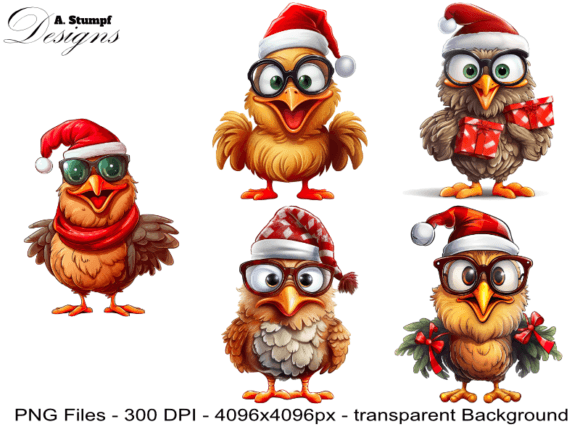
Funny Christmas Chicken Clip Art for Seasonal Illustrations
In the fast-paced world of digital publishing, the difference between a post that gets ignored and one that gets shared often comes down to a single visual element. As someone who has spent years designing blog layouts and managing content for multiple niche sites, I know that readers make split-second decisions about whether to trust a brand or click through to read more. Recently, I evaluated a specific graphic design asset called Funny Christmas Chicken Clip Art to see if it could elevate our seasonal content strategy. This review is based on my real-world experience integrating this asset into live editorial workflows, from featured images to newsletter banners.
The First Impression: Setting the Editorial Mood
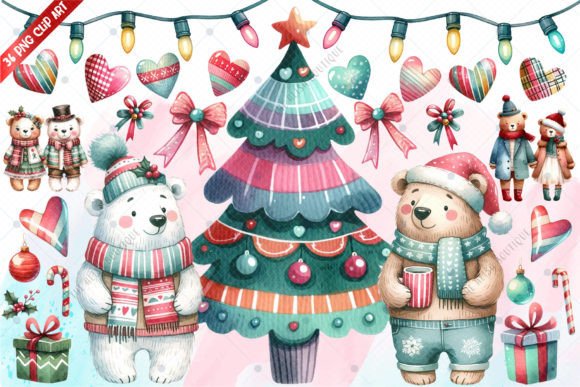
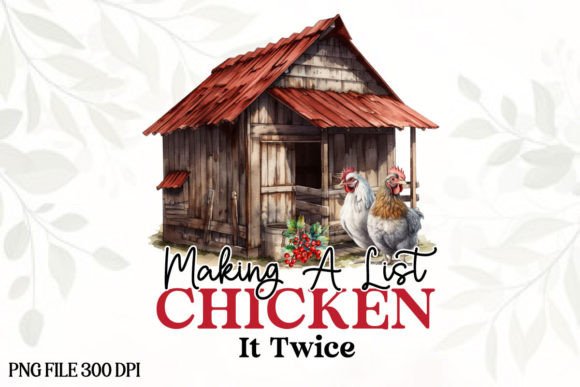
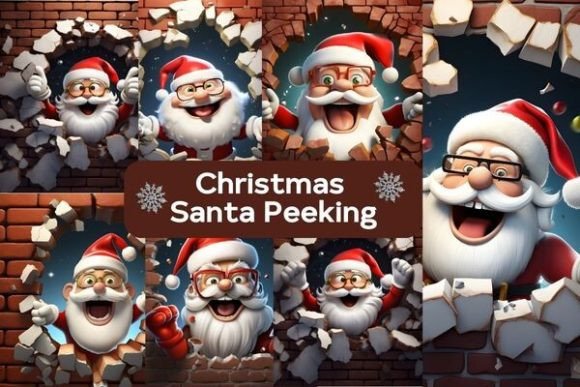
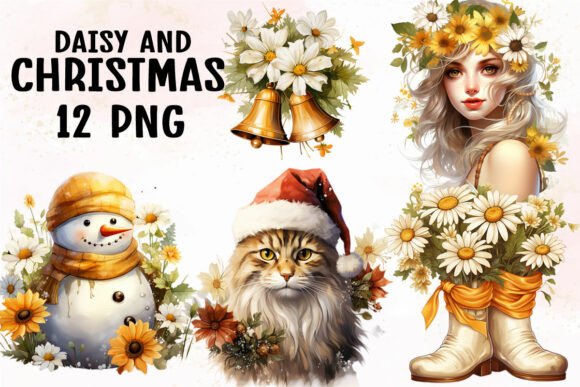
When you first open the file for Funny Christmas Chicken Clip Art, the immediate feeling is one of playful warmth. Unlike sterile corporate clip art, these illustrations carry a distinct personality that feels both festive and approachable. The style leans heavily into a modern, clean aesthetic with bold lines and cheerful colors that pop against white backgrounds. For a publisher, this is crucial because it signals to the reader that the content inside is lighthearted, engaging, and likely focused on lifestyle or holiday fun rather than dry technical data.
This asset creates an editorial mood that is perfect for niches like family blogging, parenting, home decor, and even light-hearted business advice during the holiday season. It avoids looking childish by maintaining professional proportions and high-quality rendering. When used correctly, it suggests that the website owner understands current design trends while still delivering value. It transforms a standard blog post into a visually inviting experience that encourages readers to stay longer.
Integrating Assets into Real Publishing Workflows
I recently put these design assets to the test across several key areas of our content ecosystem. The versatility of Funny Christmas Chicken Clip Art allows it to function seamlessly in various formats without losing its impact.
- Pinterest Graphics: These illustrations are ideal for creating eye-catching pins. The bright, distinct shapes stand out well in the Pinterest feed, increasing the likelihood of clicks. We used them as central elements on pins linking to our holiday gift guides, and the click-through rate improved noticeably compared to generic stock photos.
- Newsletter Headers: Visual consistency is key in email marketing. Using these graphics in the header of our weekly digest helped reinforce our brand identity. They added a touch of personality that made our emails feel less transactional and more like a friendly conversation.
- Digital Guides and Lead Magnets: When creating downloadable resources like "The Ultimate Holiday Checklist," we utilized these illustrations for the cover page and internal dividers. This elevated the perceived value of the freebie, making it look like a premium digital product rather than a simple PDF.
- Social Media Posts: Whether for Instagram stories or Facebook posts, these images provided a cohesive look for our holiday campaigns. They worked beautifully as overlays on text-heavy graphics, ensuring the message remained clear while adding visual interest.
Enhancing Performance Through Visual Hierarchy
A well-designed asset does more than just decorate; it supports content performance by establishing a strong visual hierarchy. In a crowded newsfeed, Funny Christmas Chicken Clip Art helps break up walls of text and guides the reader's eye toward important information. By using these illustrations strategically, we can create clearer pathways for users to navigate our site.
This leads to better reader trust. A website that looks polished and professionally designed implies that the content within is also trustworthy. When visitors see consistent, high-quality Illustrations that match their expectations for a specific niche, they are more likely to engage with affiliate links, sign up for newsletters, or purchase recommended products. The asset supports a stronger brand identity by providing a recognizable visual language that users can associate with our specific voice.
Strategic Placement for Maximum Impact
Not every image fits every spot. Based on my testing, there are specific areas where this asset shines and others where caution is required.
The best use cases include hero images on landing pages, article thumbnails that need to grab attention, and editorial accents that break up long-form content. They are particularly effective in category visuals where a unique icon helps users distinguish between different sections of your site. Additionally, they work wonders as content upgrades or decorative elements in downloadable printables.
However, there are scenarios where this asset should be used carefully. If your website serves a very serious professional niche, such as legal advice or medical consulting, the playful nature of these chickens might undermine the authority you are trying to project. Similarly, on small mobile screens, complex details can get lost. If the background of your layout is busy or low-contrast, the illustration may become difficult to see. Always ensure the graphic stands out clearly against its surroundings.
Publisher Notes for Implementation
To get the most out of Funny Christmas Chicken Clip Art, I recommend following a strict quality control process before publishing. First, always test the image on both desktop and mobile screens. What looks great on a large monitor might appear pixelated or cluttered on a smartphone. Check how it renders as a thumbnail; if the details are too fine, consider simplifying the crop.
Preview the graphic inside a real blog layout to see how it interacts with your typography. Does it clash with your headline font? Try placing the image beside serif fonts, sans-serif fonts, script fonts, handwritten styles, and display fonts to find the perfect pairing. You will likely find that it pairs best with clean sans-serif headings for a modern look or playful scripts for a creative vibe.
Don't forget to check contrast and readability. Ensure the colors remain distinct when viewed in black and white or on grayscale displays, as some screen readers or accessibility tools may convert images. Furthermore, review the file size for web performance. Large images can slow down your site, hurting your SEO rankings. Compress images properly using tools like TinyPNG before uploading them to your media library.
Finally, confirm your commercial licensing. Since this is a commercial design asset intended for monetized websites, affiliate pages, and paid content products, you must ensure you have the right permissions to use it for profit. Verify that your license covers affiliate marketing usage and content marketing strategies to avoid any legal issues down the line.
Conclusion
For bloggers, publishers, and creative entrepreneurs looking to spice up their website header or social media presence, Funny Christmas Chicken Clip Art offers a fantastic solution. It bridges the gap between festive fun and professional presentation, making it a valuable addition to any creative marketplace toolkit. By integrating these Illustrations thoughtfully, you can enhance your small business branding and create a more engaging digital experience for your audience. Whether you are building a Canva template for clients or designing a new digital download, this asset provides the polish needed to make your content stand out in a competitive online landscape.