Christmas Sock with Cat: A Designer's Real-World Review
When I first opened the file for Christmas Sock with Cat, my immediate reaction was a mix of holiday cheer and professional skepticism. As someone who has spent years reviewing machine embroidery designs for everything from boutique branding to personal gifts, I know that a cute concept does not always translate to a clean stitch-out. This piece falls under the Illustrations category, which usually means it relies heavily on shape and line work rather than complex textural fills. The question is simple: does this design hold up when it moves from a digital screen to a real-world project like a custom sweatshirt or a baby onesie?
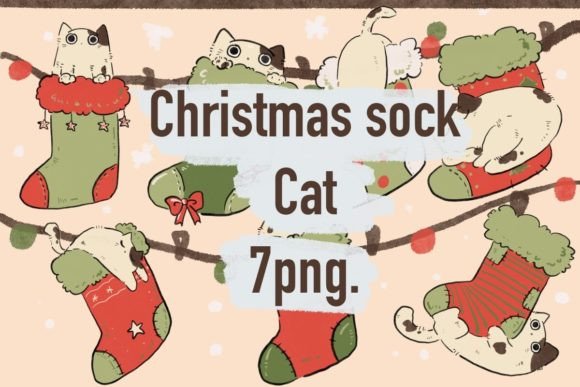
The mood of Christmas Sock with Cat is undeniably cozy. It captures that specific winter nostalgia where comfort meets playfulness. Visually, the layout feels balanced, avoiding the cluttered look that often plagues holiday-themed assets. For an Etsy seller or a small business owner, this kind of visual personality is gold. It suggests a finished product that customers will want to share on social media immediately. However, before you commit to running a batch of these on your shop floor, you need to understand how this embroidery file behaves in the hoop.
Real-World Application: From Digital File to Finished Product
I recently tested this design for a potential client project involving a line of holiday gift bags. The goal was to create a tote bag design that felt artisanal but affordable to produce. Christmas Sock with Cat offered a unique alternative to the standard reindeer or snowman motifs. When placed on a sturdy canvas tote, the design popped without feeling overwhelming. The key here was the balance between the sock shape and the cat illustration; they complement each other rather than competing for space.
Imagine using this as a sweatshirt embroidery piece for a holiday party collection. Because the design is illustrative, it works beautifully on the chest area or even centered on the back of a hoodie. The clean lines suggest it would render well on both light and dark fabrics, provided you select the right thread colors. For a handmade product aimed at families, this design hits the sweet spot of being festive without being childish. It appeals to adults who appreciate humor in their decor just as much as children do.
However, versatility is a double-edged sword. While this digital embroidery file looks great on flat surfaces, its performance changes when applied to curved or textured items. If you are planning to use this for embroidered patches or caps, the curvature of the hat might distort the roundness of the sock if the design isn't digitized with proper compensation. In my experience, designs with distinct outlines like this one require careful attention to the edge stability to prevent puckering on tight curves.
Navigating Technical Challenges and Fabric Choices
No embroidery project is without its hurdles, and Christmas Sock with Cat is no exception. One of the first things I noticed is the potential density of the stitches. If the original digitization uses too many fill stitches within the small areas of the cat's face or the sock's cuff, the fabric could become stiff. This is a critical factor when creating baby embroidery items. You cannot have a scratchy patch on a newborn's delicate skin. Before mass-producing, I strongly advise testing the design on scrap fabric to ensure the hand-feel remains soft.
Fabric texture plays a massive role in the final outcome. On a smooth cotton twill, the satin stitch edges will be crisp and professional. But try placing this on a thick, textured fleece or a slubby linen, and those fine details might get lost. The contrast between the thread and the fabric becomes the most important variable. If you are working with dark fabric, you will need a high-quality underlay to prevent the base material from showing through the lighter threads. Without this, the finished product can look muddy rather than vibrant.
There are also scenarios where caution is required. Small hoop sizes can sometimes compromise the integrity of detailed illustrations. If the design includes tiny accents or very fine lines, shrinking the hoop size might cause the machine to skip stitches or the fabric to shift. Similarly, if you are adding this to a kitchen towel or an apron that will undergo frequent washing, the durability of the stitches is paramount. Designs with dense stitching are generally more durable, but if the tension is off, the thread can break or pull out over time. Always check the stitch density settings in your software to ensure the design is optimized for the intended wash cycle.
Visual Appeal and Brand Consistency
For the creative entrepreneur, the aesthetic value of a design is just as important as its technical execution. Christmas Sock with Cat brings a sense of whimsy that can elevate a brand's identity. When used consistently across a line of products—from pillow covers to holiday gifts—it creates a cohesive narrative. Customers trust brands that maintain a consistent visual language. If your shop specializes in quirky, heartwarming home goods, this design fits perfectly into that ecosystem.
The design also excels in personalized gift markets. Imagine offering a service where customers can add their pet's name alongside the cat and sock motif. The illustrative nature of the piece allows for easy integration of custom text without clashing. This adds significant perceived value to the item, allowing you to charge a premium for custom apparel. The "wow" factor comes from seeing a beloved pet character stitched onto a holiday stocking or a family sweater. It transforms a generic item into a cherished keepsake.
However, be mindful of the commercial embroidery aspect. If you plan to sell finished items featuring this design, ensure you have the correct licensing rights. Many design assets come with restrictions on commercial use. Using a design meant for personal projects in a craft business can lead to legal issues down the road. Always verify the terms before listing your small shop product on platforms like Etsy or Amazon Handmade.
Practical Notes for the Design Professional
Before you hit the start button on your machine, there are several steps every experienced designer should take. First, test the design on a piece of scrap fabric that matches your final project material. This helps you gauge how the thread colors interact with the fabric texture. Second, inspect the small details closely. Sometimes, what looks perfect on a monitor appears blurry or merged once stitched. Check the corners of the sock and the facial features of the cat to ensure clarity.
Reviewing the design in black and white mockups can also be surprisingly insightful. This removes the distraction of color and forces you to focus on the composition and stitch direction. Does the flow of the running stitch or fill stitch guide the eye naturally? Is the negative space balanced? These questions determine whether the design feels professional or amateurish.
Finally, consider the stabilizer. For a design like Christmas Sock with Cat, which likely has a mix of outline and fill work, a cut-away stabilizer is often necessary to provide long-term support, especially on stretchy fabrics like jersey or knit blends. Using the wrong stabilizer can lead to distortion after the garment is worn and washed. By taking these practical precautions, you ensure that the embroidery project delivers on its promise of quality and charm.
In conclusion, Christmas Sock with Cat is a strong contender for anyone looking to add a touch of holiday magic to their portfolio. Whether you are a seasoned apparel decorator or a hobbyist maker, this design offers a blend of visual appeal and practicality. Just remember that the difference between a good design and a great one often lies in the preparation and the care taken during the stitching process. With the right setup, this illustration can become a standout piece in your collection.