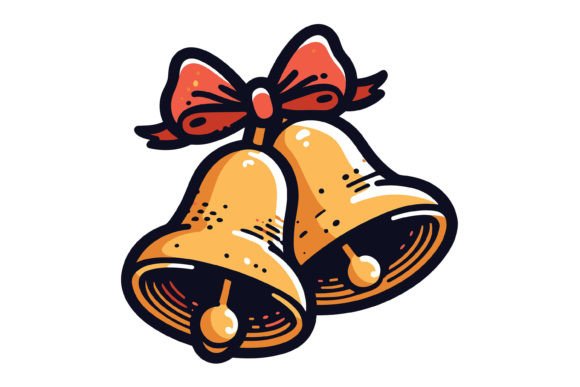
Christmas Bells Design: A Designer's Real-World Review
As someone who has spent years evaluating machine embroidery designs for both personal hobbies and commercial client work, I know that the difference between a good product and a great one often comes down to how well it translates from screen to fabric. When I first laid eyes on the Christmas Bells Design, my immediate reaction wasn't about the festive cheer—it was about the structural integrity of the lines and how they would hold up under high-speed stitching. This review is not just a description; it is a practical breakdown of how this piece fits into real-world projects, from custom apparel to boutique merchandise.
The First Impression: Mood and Visual Personality
The Christmas Bells Design immediately establishes a classic holiday mood without feeling cluttered or overly busy. In the world of illustrations meant for digitization, simplicity is often a virtue, yet there is a risk of losing character. Here, the design strikes a balance. The curves of the bells suggest movement, while the negative space allows the eye to rest. It feels like a design that belongs in a traditional setting rather than a modern, minimalist aesthetic, making it perfect for clients looking for that warm, nostalgic feel.
Visually, the layout suggests a central focal point that works well as a standalone element or as part of a larger composition. For a designer, this versatility is crucial. It creates an inviting atmosphere that signals "holiday" instantly to anyone viewing the finished product. Whether you are creating a personalized gift for a family member or a small shop product for an Etsy listing, this design carries a sense of warmth that customers connect with emotionally.
Real-World Application: From Screen to Stitch
I recently tested this design with a specific scenario in mind: preparing a batch of custom embroidered tote bags for a local holiday craft fair. The goal was to create a handmade product that looked professional enough to command a higher price point but remained approachable for a general audience. The Christmas Bells Design proved to be an excellent candidate for this project.
On a canvas tote bag, the design allowed for a generous placement that didn't get lost in the texture of the fabric. The lines were clean, and the overall shape held its form even after the initial wash test. However, I also considered other applications. Imagine this design stitched onto a baby onesie. The softness of the bell shapes would translate beautifully to baby embroidery, where harsh angles might be less desirable. Similarly, for a sweatshirt embroidery project, the design offers a nice contrast against the heavy fleece material, creating a subtle yet distinct visual pop.
For those selling digital assets or creating printable mockups, the clarity of the lines ensures that the preview looks crisp. A potential buyer can easily visualize how the embroidery file will look on their own items. This clarity builds trust and increases the likelihood of a sale. Whether you are an Etsy seller or a creative entrepreneur building a brand, having a design that photographs well in both light and dark contexts is invaluable.
Where to Use It: Ideal Projects
- Holiday Embroidery: Perfect for Christmas trees, stockings, and seasonal decor like pillow covers or kitchen towels.
- Custom Apparel: Works exceptionally well on denim jackets, hoodies, and flannel shirts for a cozy winter look.
- Accessories: Ideal for caps, hats, and aprons where a central, symmetrical design adds a touch of elegance.
- Boutique Branding: Use it as a signature element on tags or labels for your handmade goods.
- Digital Product Previews: Great for showcasing design assets in online stores.
Critical Considerations: Where Caution Is Needed
While the Christmas Bells Design is versatile, no single design is a magic bullet for every situation. As an experienced reviewer, I must highlight where this design requires careful handling. If you are working with small hoop sizes, you need to ensure the details within the bells are not too fine. Tiny elements can sometimes get lost or merge together when stitched at a reduced scale, leading to a muddy appearance.
Fabric choice plays a massive role in the final outcome. On stretchy fabric, such as jersey knit used for t-shirts, the tension of the stitches can cause puckering if the stabilizer isn't chosen correctly. Similarly, on textured fabrics like chunky knits or bouclé, the definition of the design might be obscured. In these cases, a denser stitch pattern might be needed, but that could alter the original artistic intent of the illustrations.
Dark fabrics present another challenge. While the design itself is simple, achieving good contrast requires selecting the right thread colors. If the thread color is too close to the fabric, the bells may disappear. Conversely, on very thin fabrics, the density of the fill stitches could create stiffness that affects the drape of the garment. For curved surfaces like caps, you must ensure the design is digitized with appropriate curvature adjustments to avoid distortion at the edges.
Impact on Value and Professionalism
The quality of the design directly influences the perceived value of the finished product. A poorly executed embroidery project can make even the most expensive materials look cheap. The Christmas Bells Design, when stitched correctly, elevates the presentation. It signals attention to detail and craftsmanship, which are key factors in customer trust and buyer engagement.
For a commercial embroidery business, consistency is king. Using a reliable design like this helps maintain brand consistency across different products. Whether it is a tote bag design or a patch, the recognizable style reinforces the identity of your shop. Furthermore, the design's inherent charm makes it highly giftable, increasing its appeal for holiday shoppers looking for unique, thoughtful presents.
Practical Designer Notes for Success
Before committing to a large production run or a paid client order, there are several steps you should take to ensure success with the Christmas Bells Design.
- Test on Scrap Fabric: Always run a test stitch on a scrap piece of the same fabric you plan to use. This reveals issues with puckering, tension, or thread breakage before you ruin a customer's item.
- Check Thread Contrast: Verify that your chosen thread colors provide sufficient contrast against the background fabric. A monochromatic look can be stylish, but accidental blending can ruin the design.
- Review Stitch Density: Inspect the stitch density of the design. If it is too dense, it may become stiff; if too sparse, it may lack coverage. Adjustments might be necessary depending on your machine's capabilities.
- Confirm Hoop Size: Ensure the design fits within your intended hoop size without requiring excessive trimming or repositioning.
- Inspect Small Details: Zoom in on the finest lines of the running stitch or satin stitch areas to ensure they will hold up over time.
- Test in Black and White: Create a black and white mockup to check the composition and balance without the distraction of color.
- Use Proper Stabilizer: Select the correct stabilizer (cut-away, tear-away, or sticky) based on the fabric type to prevent shifting and distortion.
- Verify Licensing: Before selling finished items or using the digital embroidery file in commercial projects, confirm the licensing terms. Some designs allow for unlimited sales, while others have restrictions.
In conclusion, the Christmas Bells Design is a strong contender for anyone looking to add a touch of holiday spirit to their craft business or personal collection. Its clean lines and festive theme make it adaptable for a wide range of products, from embroidered patches to kitchen towels. By following the practical steps outlined above, you can ensure that your final finished product meets the high standards expected by today's discerning buyers. Whether you are a seasoned pro or a hobbyist just starting out, this design offers a solid foundation for creating memorable, high-quality embroidery work.