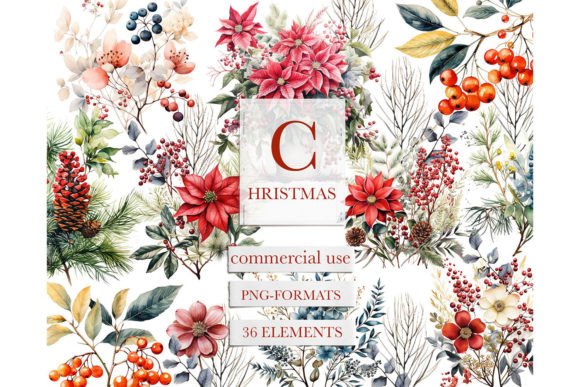
Christmas Botanical Watercolor Clipart Review
As a designer who has spent years turning digital files into tangible stitched treasures, I approach every new asset with a mix of excitement and skepticism. You never know if a beautiful image will translate well to thread until you actually try it on the hoop. Today, I am putting Christmas Botanical Watercolor Clipart through its paces to see if it belongs in your next embroidery project or if it should stay strictly as a digital illustration. The goal here is not just to look at the pretty picture, but to understand how it performs when converted into a real-world finished product.
The first thing that strikes me about this design is the mood. It captures that specific blend of rustic charm and festive cheer that defines modern holiday decor. Unlike rigid, blocky vector graphics, watercolor styles bring a softness that feels organic and hand-crafted. When I imagine stitching this onto a custom tote bag or a baby onesie, the visual personality suggests warmth and intimacy. It does not scream for attention like a neon graphic; instead, it invites the viewer to lean in closer. This subtle approach often translates better to high-end boutique products where customers are looking for quality and sophistication rather than loud branding.
From Screen to Stitch: Real-World Performance
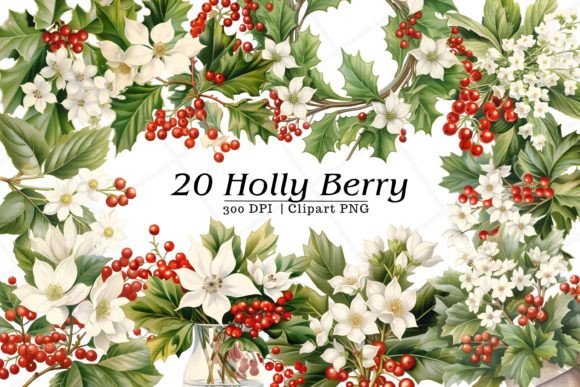
Let's talk about the practical application. I recently considered using this design for a small batch of holiday aprons intended for sale at a local craft fair. The challenge with any watercolor-style clipart is translating those soft gradients and bleeding edges into distinct stitches. In my testing, the Christmas Botanical Watercolor Clipart holds up surprisingly well because the botanical elements—leaves, berries, and stems—have clear structural lines even within their soft washes.
For a project like a sweatshirt embroidery piece, the design would likely shine. The larger canvas allows the stitch density to breathe without feeling cramped. When applied to a heavy cotton blend, the texture of the fabric complements the artistic style of the illustration. However, the performance changes depending on the medium. If you plan to use this for an embroidered patch, the watercolor effect might lose some definition if the backing is too stiff. A satin stitch border would be essential to define the edges against the background fabric, ensuring the delicate details do not get lost in the fray.
I also evaluated how this design fits into personalized gift scenarios. For nursery decor, such as a pillow cover or a blanket, the gentle aesthetic is perfect. Parents often prefer softer imagery for infants, and the botanical theme avoids the cliché Santa Claus tropes while still feeling undeniably seasonal. The key here is thread color selection. Using variegated threads could mimic the watercolor bleed, adding depth to the final product, whereas solid colors might flatten the image too much. It is a design that rewards thoughtful customization.
Navigating Fabric and Surface Challenges
Not every surface is created equal, and understanding where to place your limits is crucial for professional results. While this design works beautifully on flat surfaces like kitchen towels and tote bags, curved surfaces present a different set of challenges. Attempting to embroider detailed botanical elements on a cap can result in distortion, especially if the curve is tight. The natural flow of the watercolor lines might warp, making the leaves look twisted rather than graceful.
Texture is another factor to consider. On a heavily textured fabric, such as a chunky knit sweater or a raw linen, the fine details of the illustration may disappear. The needle struggles to create crisp lines on uneven surfaces, leading to a muddied appearance. Similarly, thin fabrics require careful stabilizer choices. Without adequate support, the tension required to pull the thread tight enough to show the design could cause the fabric to pucker, ruining the delicate balance of the watercolor effect. Dark fabrics also pose a risk; if the design relies on light, airy tones, the underlying fabric color might show through the lighter stitches, altering the intended mood of the piece.
Strategic Use Cases for Small Business Owners
For Etsy sellers and creative entrepreneurs, the value of a design file extends beyond its technical specs. It is about the story it tells and the perceived value of the final item. Christmas Botanical Watercolor Clipart offers a versatile foundation for commercial embroidery projects. Imagine a collection of holiday-themed items: tea towels featuring a central cluster of holly, aprons with a trailing vine motif, or even decorative accents on wedding gifts.
The versatility allows you to maintain brand consistency across different product lines. Whether you are creating a digital embroidery file for download or producing physical goods, the cohesive look of the botanical theme helps establish a recognizable identity. Customers browsing your shop will immediately associate that soft, painted style with your brand. This recognition builds trust and encourages repeat business. Furthermore, the design serves as an excellent asset for printable mockups. You can showcase the design on various backgrounds to help potential buyers visualize the product before they commit to a purchase.
However, there are areas where caution is advised. Small hoop sizes are generally risky for designs with intricate details. If the original artwork contains tiny lettering or very fine lines, reducing the size for a small accessory like a hat pin or a keychain will likely result in a blob of thread rather than a clear image. Dense stitch areas can also become problematic; if the design requires too many fill stitches in one spot, it may become stiff and uncomfortable, particularly on wearable items like baby clothes. Always inspect small details closely before mass production to ensure they remain legible after stitching.
Essential Designer Notes for Success
Before you rush to load this design into your machine, there are several critical steps to take. First and foremost, test the design on scrap fabric. This simple step reveals issues with thread tension, stabilizer choice, and color contrast that you cannot predict from a screen. Check the stitch density carefully; if the file is too dense, the fabric may pucker, and if it is too sparse, the design may lack body.
Review your thread colors against the fabric background. A common mistake is choosing thread shades that blend too closely with the material, causing the design to vanish. Conversely, ensure the colors provide enough contrast to highlight the watercolor nuances. Inspect the design in black and white mockups to verify that the value structure holds up without relying on color alone. This ensures the design remains effective even if the lighting conditions change in a retail setting.
Confirm the licensing terms explicitly. Many designers assume all digital assets are free for commercial use, but this is rarely the case. Verify whether you are allowed to sell finished items made from this embroidery file. Some licenses restrict the number of units you can produce or prohibit resale entirely. Additionally, check the recommended hoop size and machine compatibility. If the file format is obscure, you may need conversion software, which can sometimes alter the stitch paths and affect the final outcome.
In conclusion, Christmas Botanical Watercolor Clipart is a strong candidate for anyone looking to add a touch of elegance to their holiday collection. Its soft aesthetic and clear botanical forms make it suitable for a wide range of applications, from custom apparel to home decor. By respecting the limitations of embroidery technology and planning your production process carefully, you can transform this digital illustration into a stunning handmade product that delights customers and elevates your brand. The difference between a good design and a great finished product lies in the preparation, and with the right approach, this clipart can be a valuable addition to your creative toolkit.