Christmas Background Decoration for Illustrations
I recently received a request from a client running a boutique handmade candle brand. They needed a cohesive visual identity for their holiday line, specifically looking for Christmas Background Decoration elements that could elevate their packaging and social media presence without overpowering the product photography. As a graphic designer who works extensively with branding, marketing visuals, and digital design assets, I immediately evaluated this asset to see if it would stand up to commercial standards. The goal was not just to find something festive, but to find a graphic design asset that supports visual hierarchy and enhances emotional appeal.
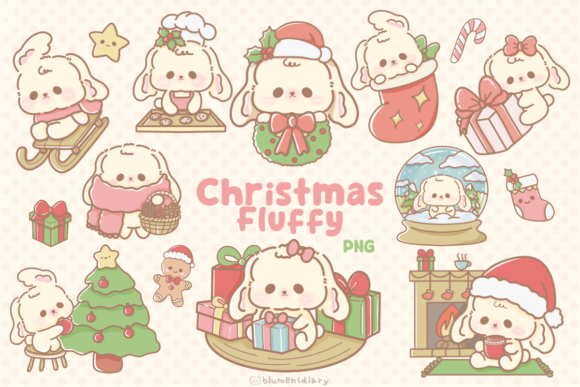
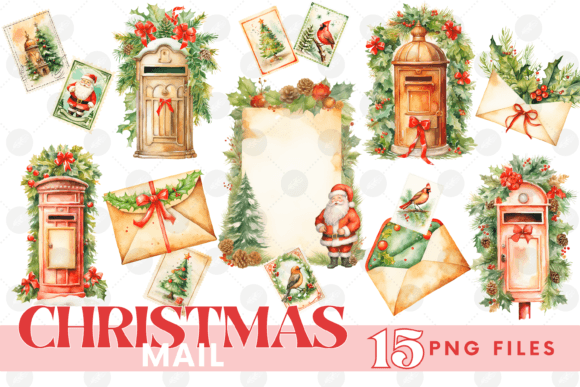
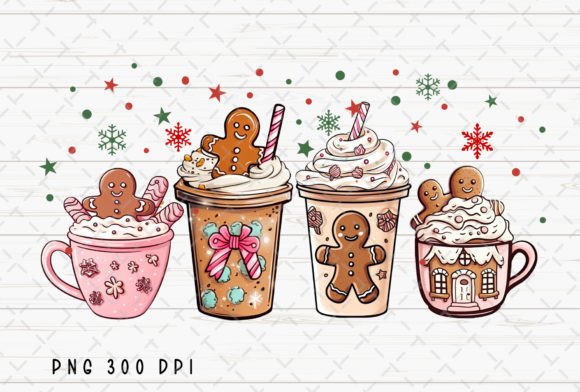
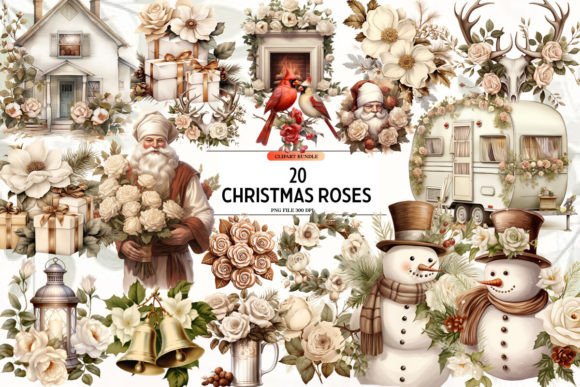
My first impression of the Christmas Background Decoration was one of immediate warmth and nostalgia. Unlike generic clipart that often feels flat or overly cartoonish, these Illustrations possess a subtle texture and depth that suggests high-quality print work. The style leans towards a modern yet rustic aesthetic, which is currently dominating the market for small business branding and Etsy products. It creates a mood that is inviting and cozy, perfectly suited for a handmade business looking to connect emotionally with customers during the seasonal rush. The composition feels balanced, offering enough detail to be interesting but leaving sufficient negative space for text integration.
Real-World Application in Brand Identity
In my experience, the true test of any design asset is how it performs when integrated into a real client project. For this candle brand, I envisioned using the Christmas Background Decoration as a foundational element for their holiday packaging labels. When placed on kraft paper or matte white cardstock, the illustration adds a layer of professionalism that elevates the perceived value of the product. It transforms a simple jar into a thoughtful gift. This approach is crucial for packaging design, where every visual cue contributes to the unboxing experience.
Beyond physical products, this asset proves versatile across various marketing visuals. I tested placing it behind bold typography for a series of social media graphics designed for Instagram posts and Pinterest pins. The result was striking; the background provided context and festivity without competing with the call-to-action text. For a small business owner launching a limited edition collection, having a consistent set of Illustrations ensures brand recognition across all touchpoints. Whether used in a website banner, an email newsletter header, or a digital ad, the asset maintains its integrity and reinforces the brand's seasonal narrative.
Technical Versatility for Digital and Print
One of the most compelling aspects of this Christmas Background Decoration is its adaptability across different mediums. For clients involved in print-on-demand services, such as creating t-shirt designs, mugs, or tote bags, the resolution and clarity are paramount. I examined the file quality, noting that the lines remain crisp even when scaled down for smaller items like stickers or tags. This makes it an excellent choice for a design bundle intended for sublimation projects or Cricut projects.
The asset also shines in the realm of digital creation. Many designers rely on tools like Canva to produce rapid content. I found that this illustration integrates seamlessly as a background layer in a Canva template, allowing users to quickly generate professional-looking holiday flyers or invitations. For those selling digital products on creative marketplaces, offering this as part of a SVG design or PNG design package adds significant value. It allows buyers to customize colors and sizes while retaining the core artistic intent. From editorial design in magazines to web design headers, the asset provides a polished look that signals attention to detail.
Strategic Placement for Maximum Impact
To get the most out of this Christmas Background Decoration, strategic placement is key. It excels in large layout areas where it can set the scene, such as hero graphics on a landing page or full-page spreads in a catalog. In these contexts, it acts as a decorative accent that frames the content beautifully. It is also highly effective for themed collections, where consistency is required across multiple products. Using it for product mockups helps visualize the final result, giving clients a clear picture of how the design will look in the real world.
However, there are scenarios where caution is necessary. If you are working on minimalist branding or corporate materials that require very clean visual hierarchy, this asset might be too busy. In crowded layouts or low-contrast designs, the intricate details of the Illustrations could get lost, leading to a muddy appearance. It is less suitable for small sizes, such as favicon icons or tiny app buttons, where fine details may blur. Additionally, for projects demanding strict neutrality, the festive nature of the design might clash with the desired tone. Always consider the overall impression of the design project before committing to this specific visual style.
Essential Designer Notes for Commercial Use
Before integrating any commercial design asset into a paid project, a professional designer must conduct thorough due diligence. I always recommend testing the Christmas Background Decoration in black and white to ensure the tonal values hold up without color support. Checking contrast on both light and dark backgrounds is critical for accessibility and readability. If the background is too heavy, it can make text difficult to read, disrupting the user experience.
Previewing the asset at various sizes is another non-negotiable step. Does it look pixelated when zoomed in? Do the lines break up when reduced? Inspecting PNG transparency is vital if you plan to layer it over other images, ensuring no harsh white edges remain. If the file includes SVG or vector formats, verify editability to adjust strokes and fills as needed for specific brand guidelines. Comparing the illustration with different font styles—such as serif fonts for elegance, sans-serif for modernity, script fonts for a personal touch, handwritten fonts for authenticity, and display fonts for impact—will help determine the best typographic pairing.
Finally, confirm the commercial license explicitly. Using a design asset for a client requires proof that you have the right to use it in a commercial capacity. This protects both the designer and the client from legal issues. Whether you are creating a sticker design, a t-shirt design, or a complex brand identity system, understanding the licensing terms ensures peace of mind. By following these practical steps, you can confidently utilize this Christmas Background Decoration to create engaging, professional, and successful design projects.